Is it OK to Fall in Love with Reprehensible Characters?
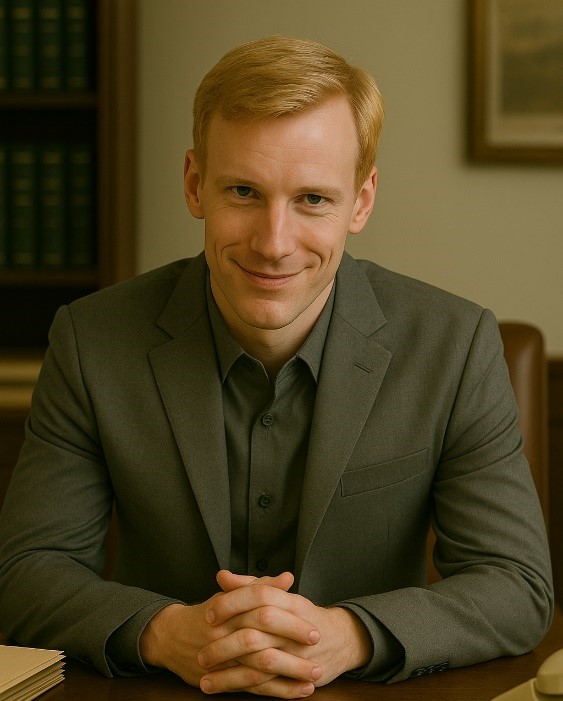
Image created by John Daly using ChatGPT5 imaging tool
So, what does a villain mean to you? Psychopaths (think Hannibal Lecter and Jame “Buffalo Bill” Gumb in The Silence of the Lambs)? Sociopaths (think Todd Alquist in Breaking Bad, or Amy Dunne in Gone Girl, or Dexter)? Something else?
I’ve been presenting my new novel, THE WHISPER OF FALLING SNOW (to be published this winter), to two different critique groups over the past couple of years. One of the most surprising things I hear back in my critiques is how, despite trying to resist doing so, my readers have come to care for and even love two of my chief villains.
Grigori (Gregory) Stepanov and Jeffrey Dane appear in a short story set in the lowest level of purgatory, published in New Literary Society on Medium: https://medium.com/new-literary-society/bessies-4e78d00ea709.
They are much chastened in the afterlife—who isn’t?—but in the novel, they are truly bad guys. Stepanov is directly responsible for the deaths of thousands of innocent lives—they may haunt him toward the end of his life, but his actions remain utterly reprehensible. Dane’s god is the State for which he acts as an assassin, killing Stepanov’s (truly psycho-sociopathic father) and tormenting others to the point of insanity.
So how could anyone come to care for these guys? How could I, their creator, come to care for them? What internal trickery of the mind did these characters work in my mind to make it so?
The truth is, I feel extreme ambiguity about normalizing characters who have done outright evil, not once, but as a way of life. It feels slimy, creepy, deeply scary. Like taking a couple of monsters from Auschwitz and making them people you can relate to.
In all fairness, they are not quite like the horrific individuals who made the selections when trains loaded with Jewish men, women, and children were shipped from the ghettos to Auschwitz for annihilation in the chambers. Stepanov merely signed the death warrants, and Dane’s atrocities were mostly committed on an individual basis. AS IF THAT REALLY MAKES A DIFFERENCE!
Yeah, I’ve got some true sociopaths in my novel. Persistence Greenforest plays the role magnificently, and Pavel Stepanov (Grigori’s father) straddles the line between psychopath and sociopath. Lamia Nightshade and Adamant Darling are actual concentration camp nightmares. No one (thank God) relates to or cares about them. But these are minor characters in the novel. Grisha Stepanov and Jeff Dane play huge roles.
Maybe I let them talk too much, or relate too much, or grow too much. I don’t know. But what do YOU do with the villains you come to care about in your writing, or in the books you read? I’d love to hear from you.
Thanks for reading!

